Mango Pits in Boricua
It turns out mangoes are not indigenous to Puerto Rico.
Spaniards brought them along with their language, diseases and colonialism. The Taíno are technically extinct, though genetics still find them in Puerto Rican bodies.
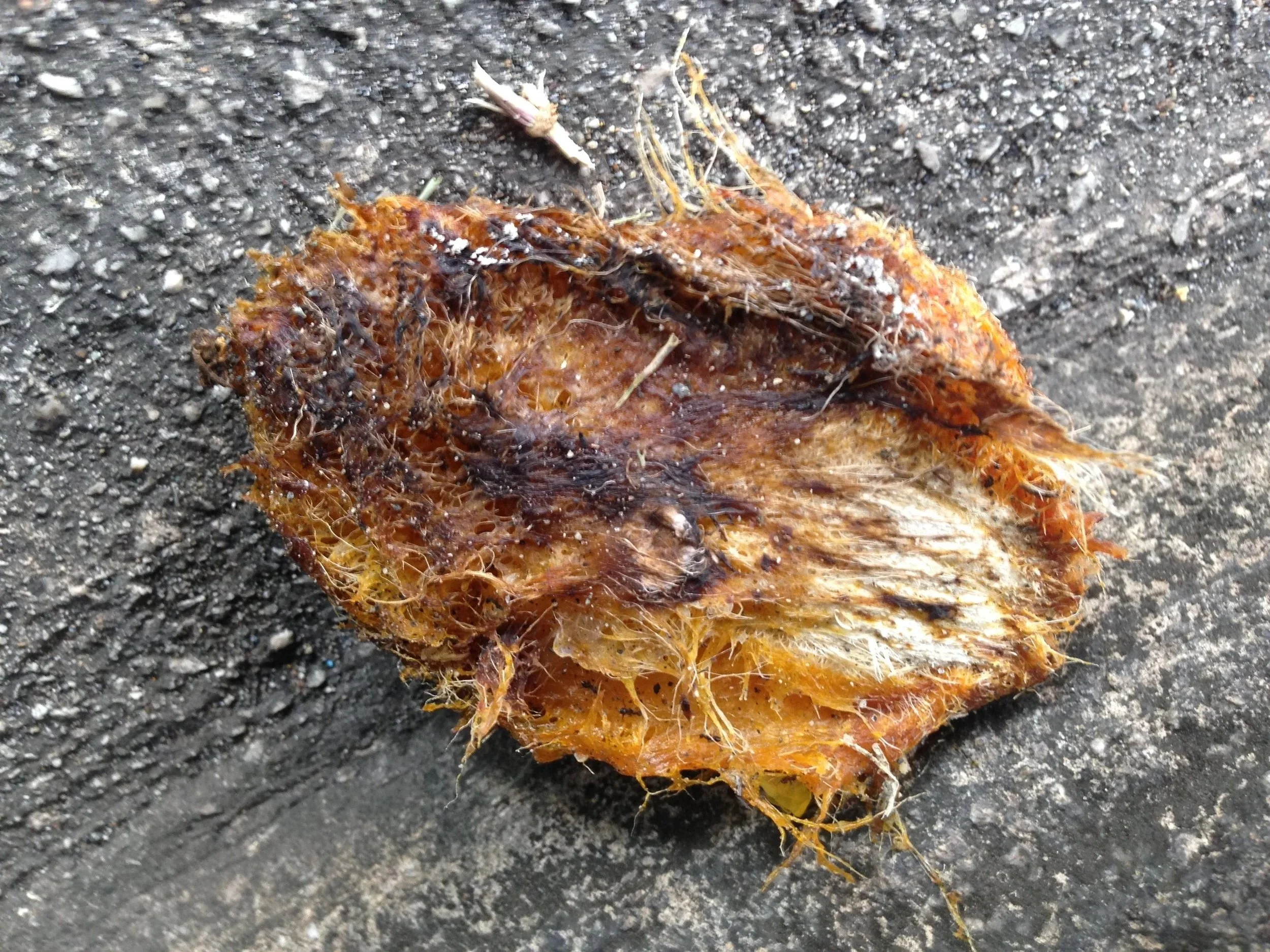
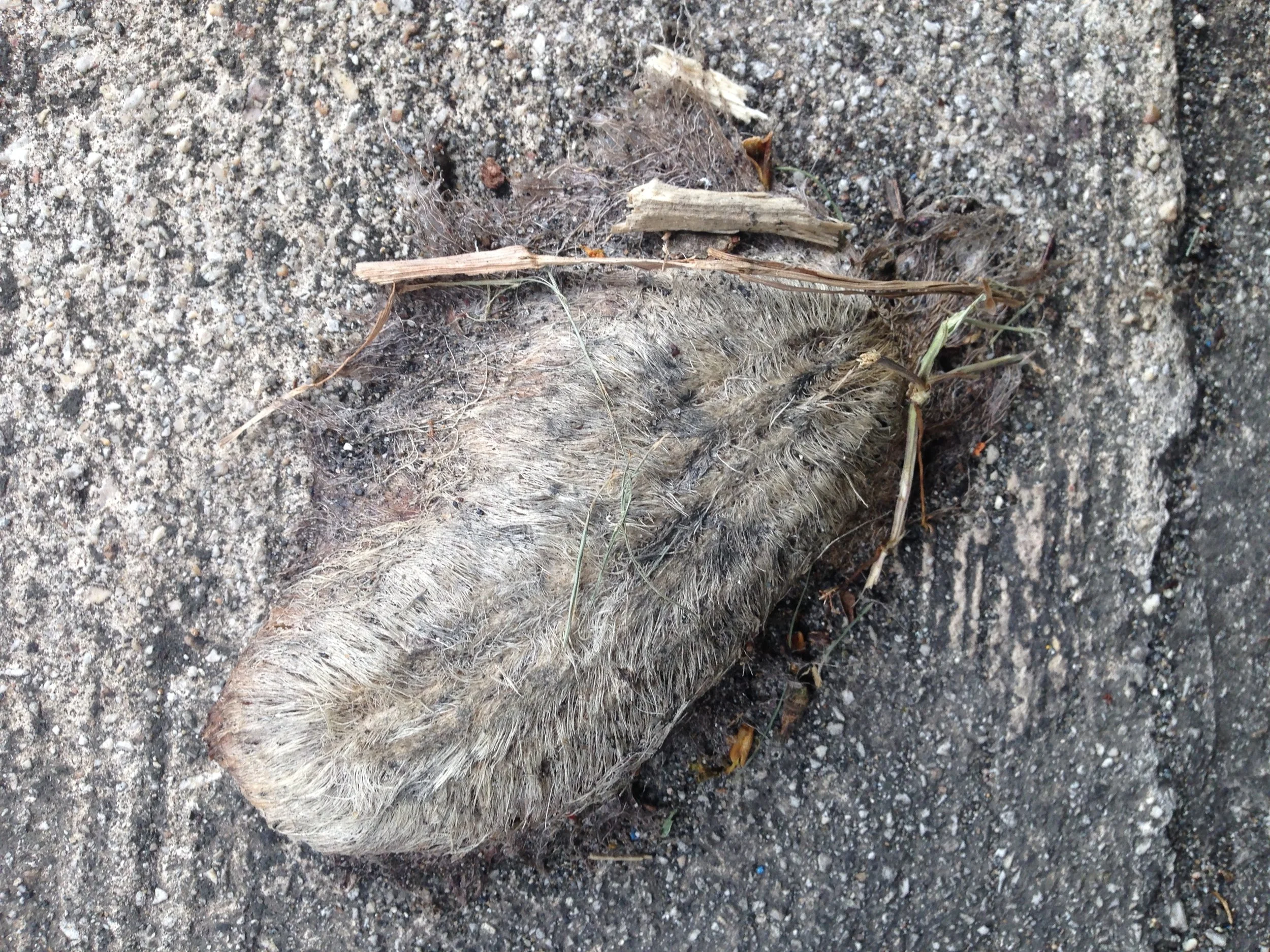
I hold a special love for these mango pits because Rauli had just discovered me.
He lit my cigarette at a bar called El Boricua.
The next morning I rose with the sun and he forbade me to walk Calle 11 alone. He was too hungover to hear me go.
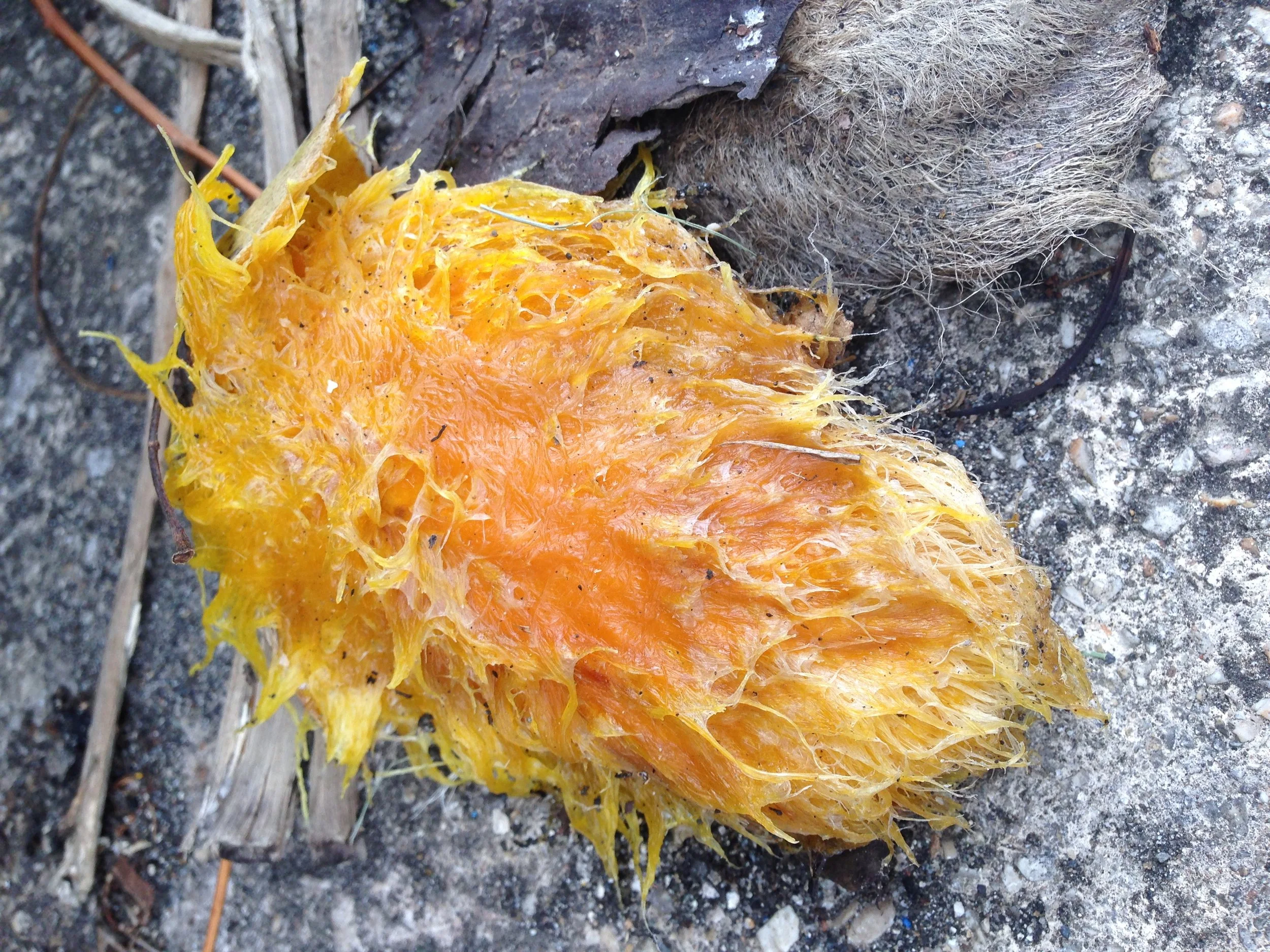
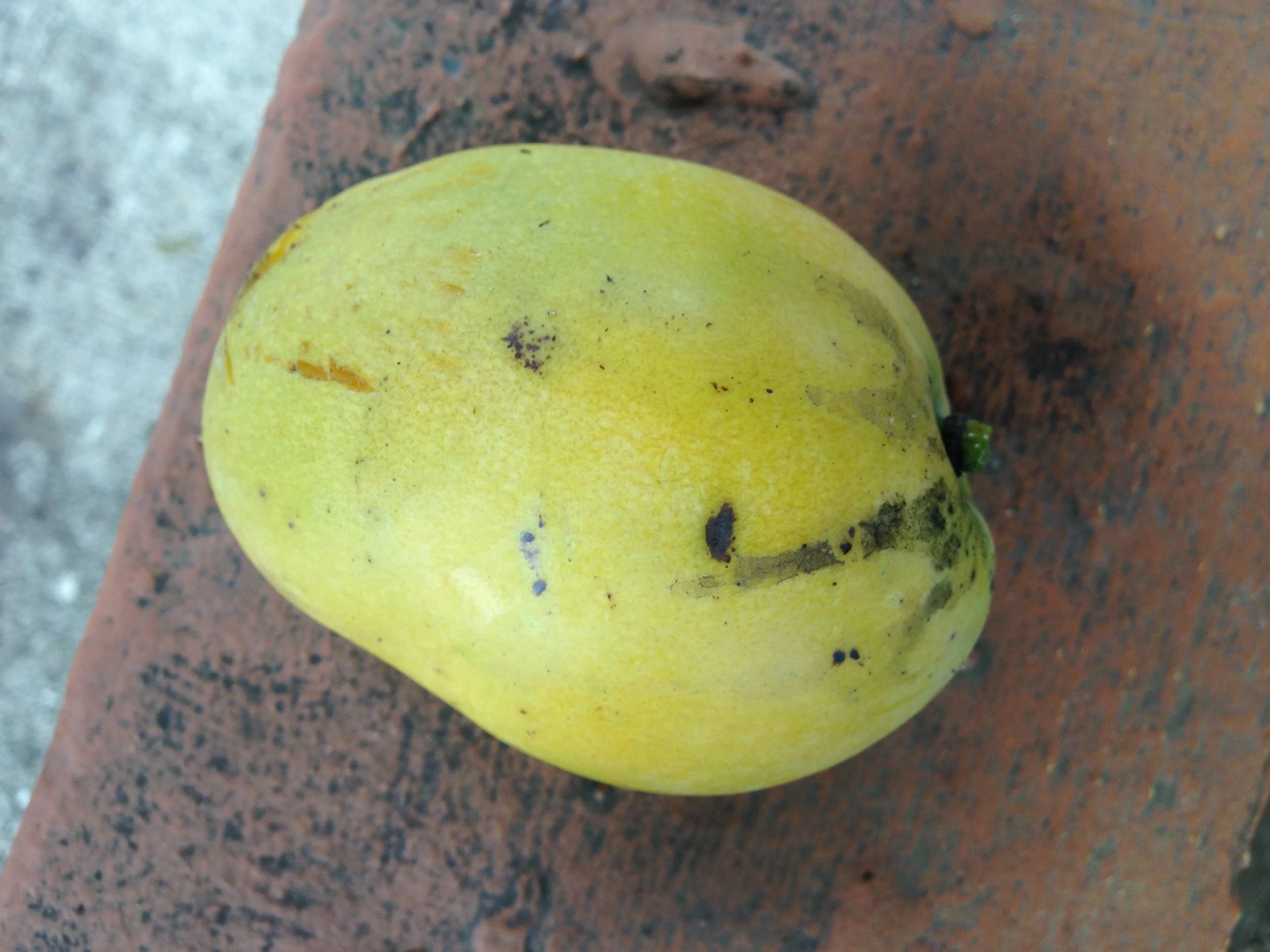
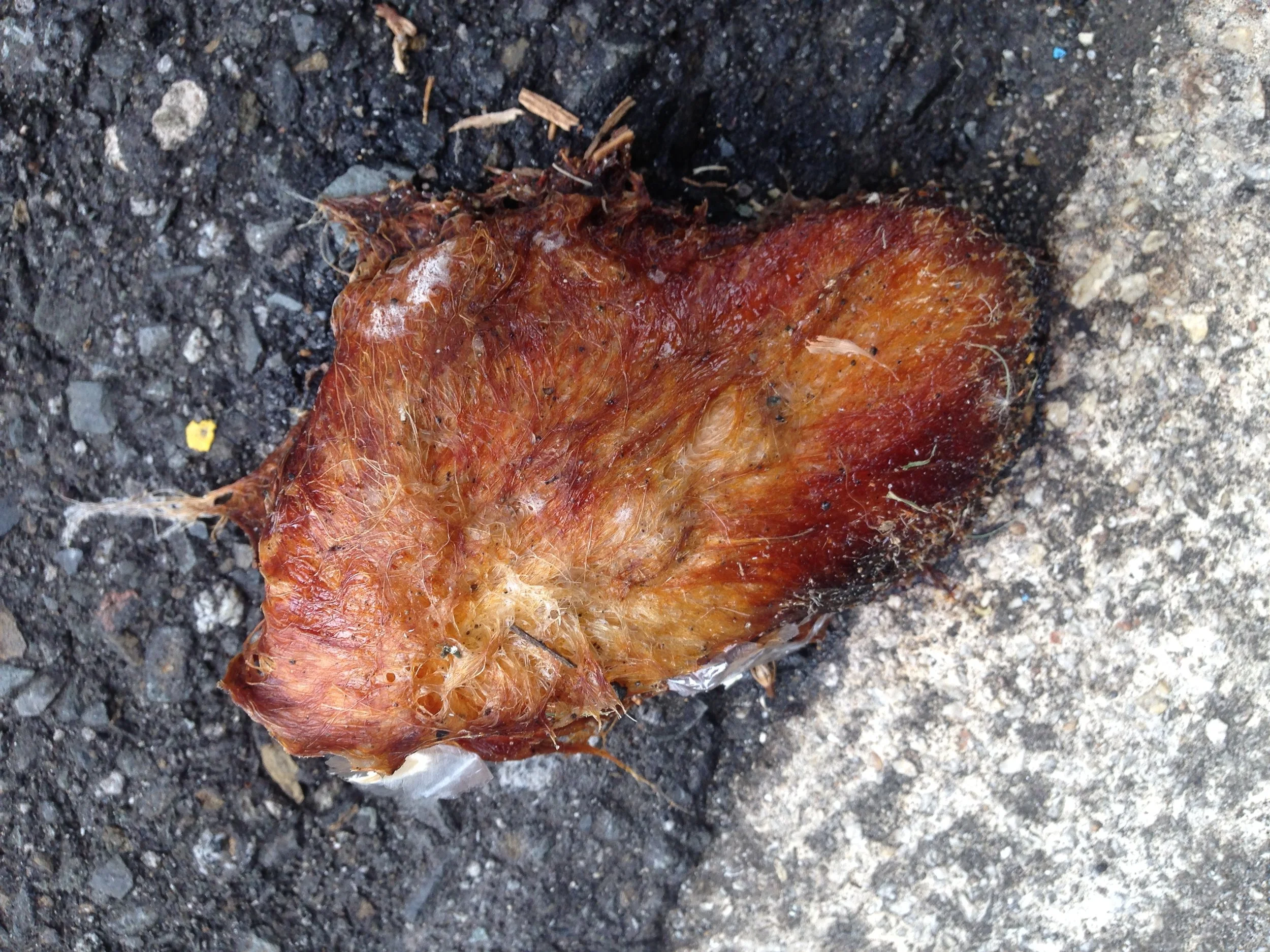
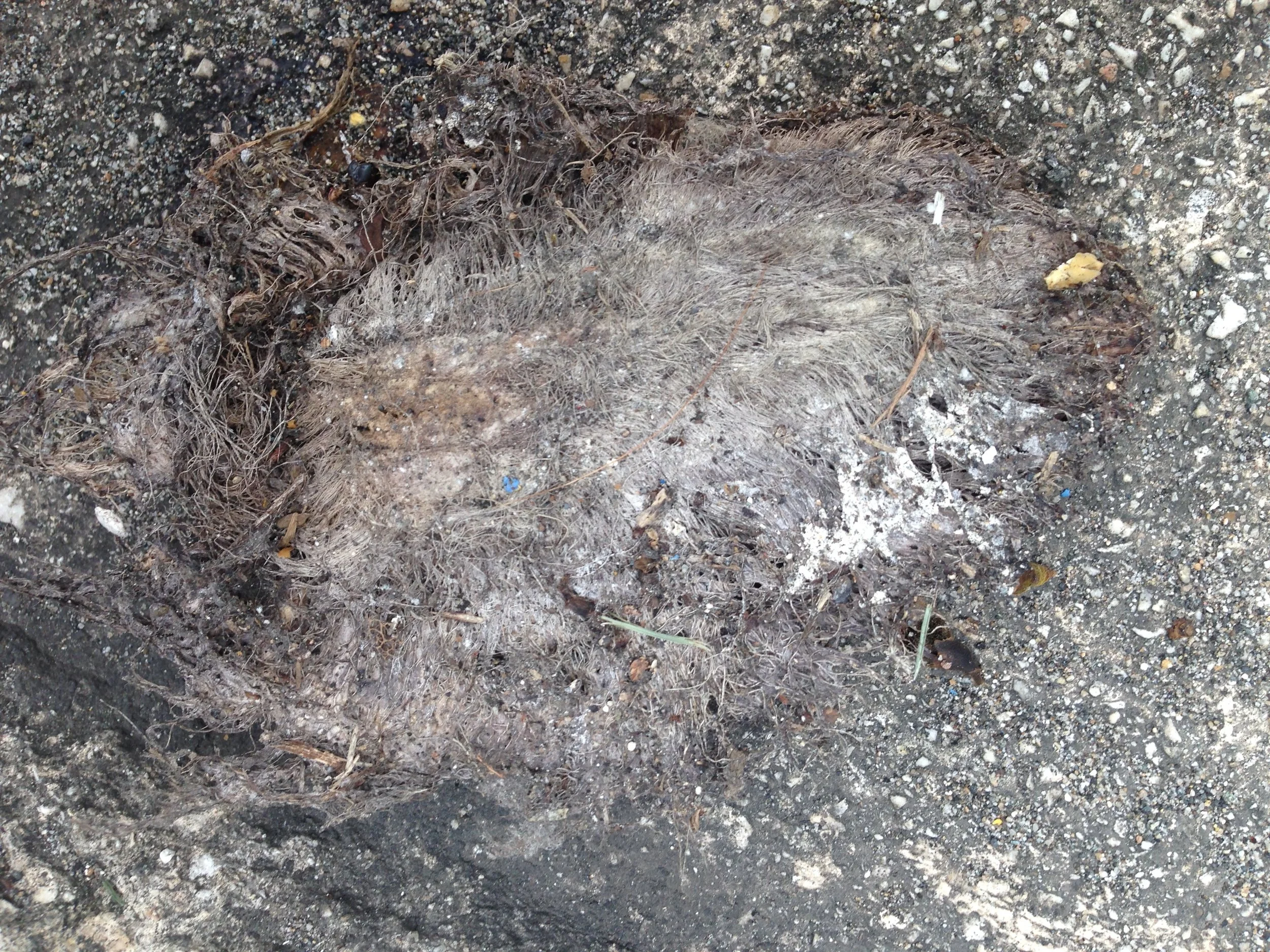
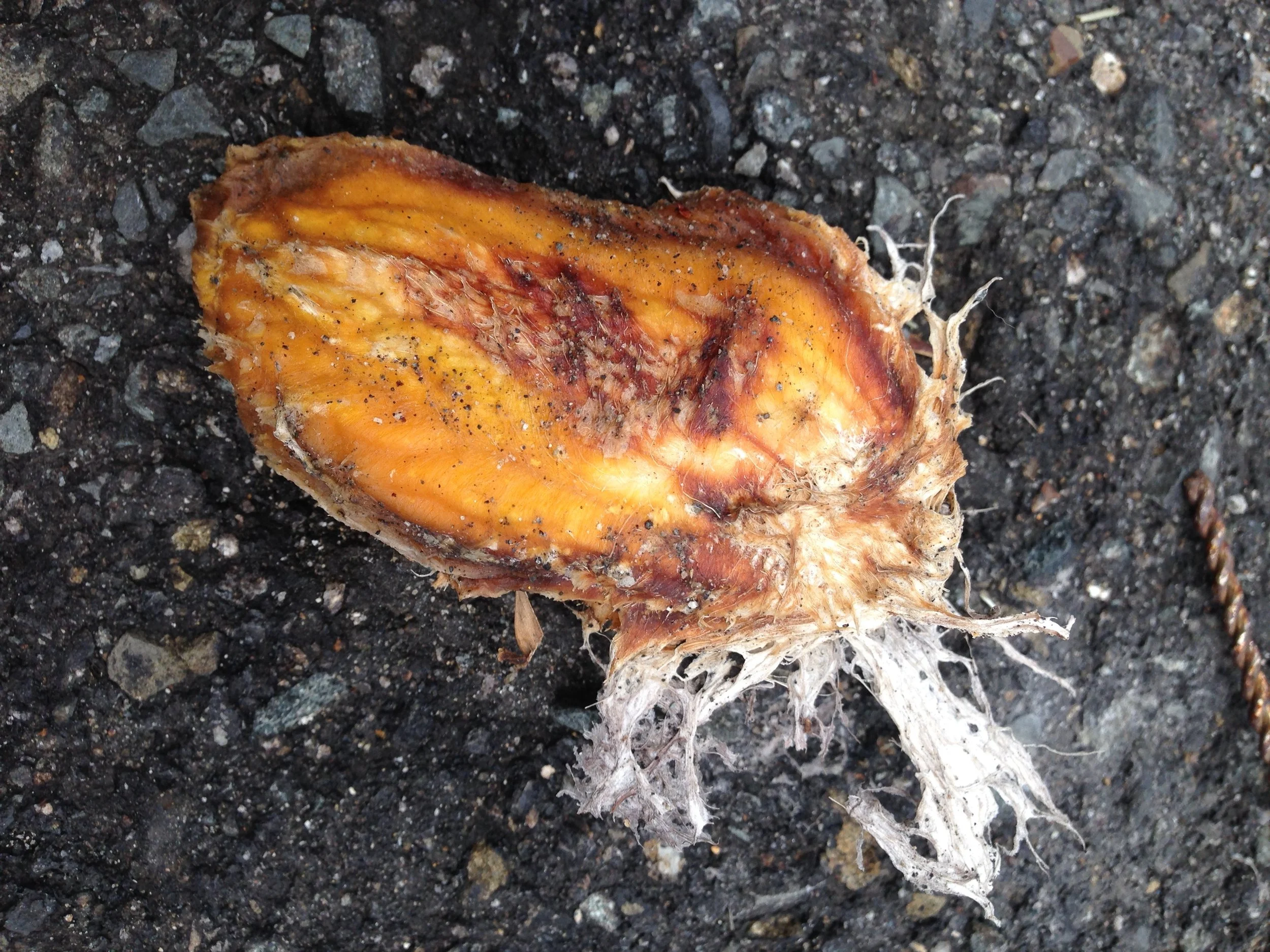
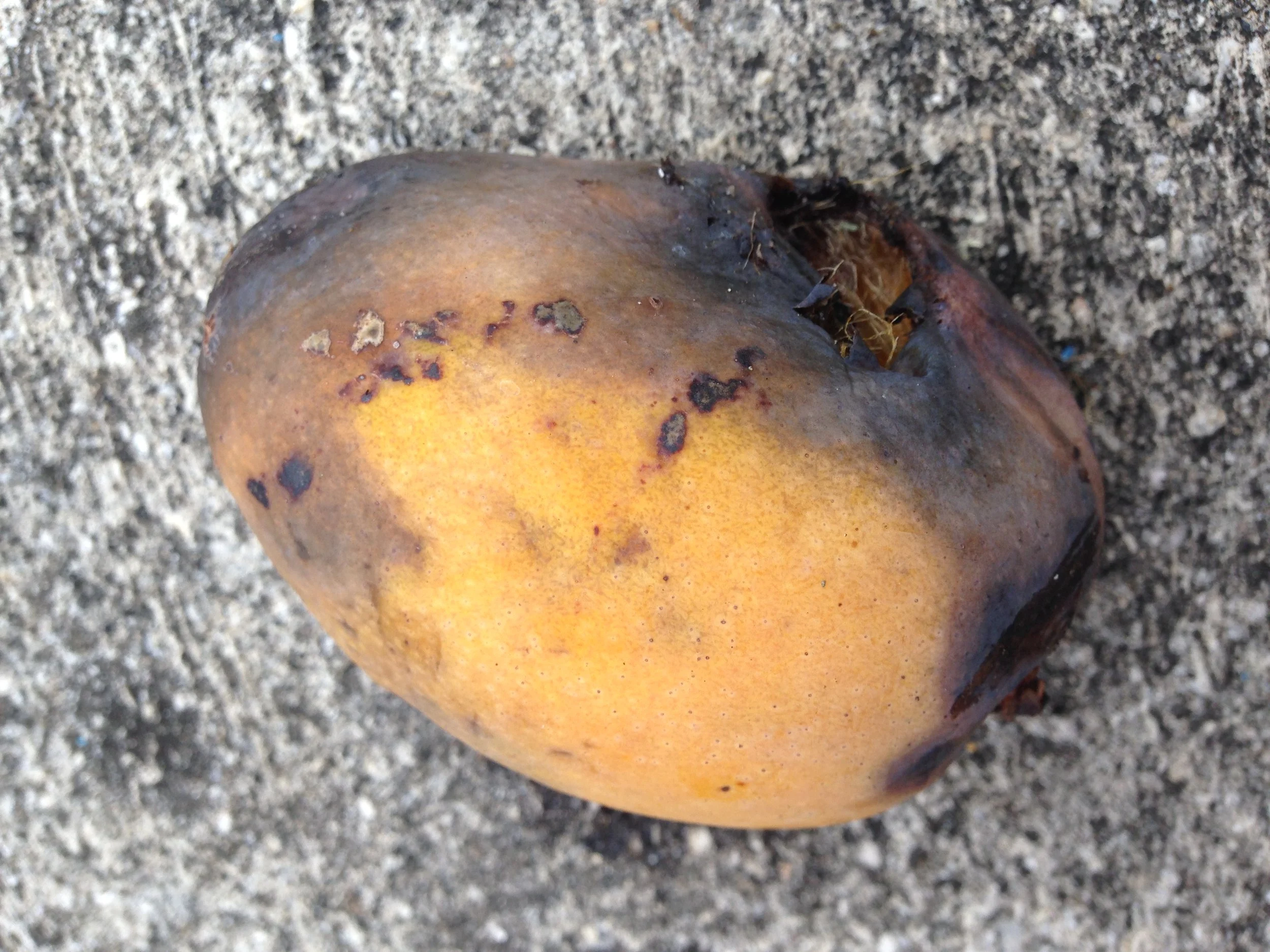
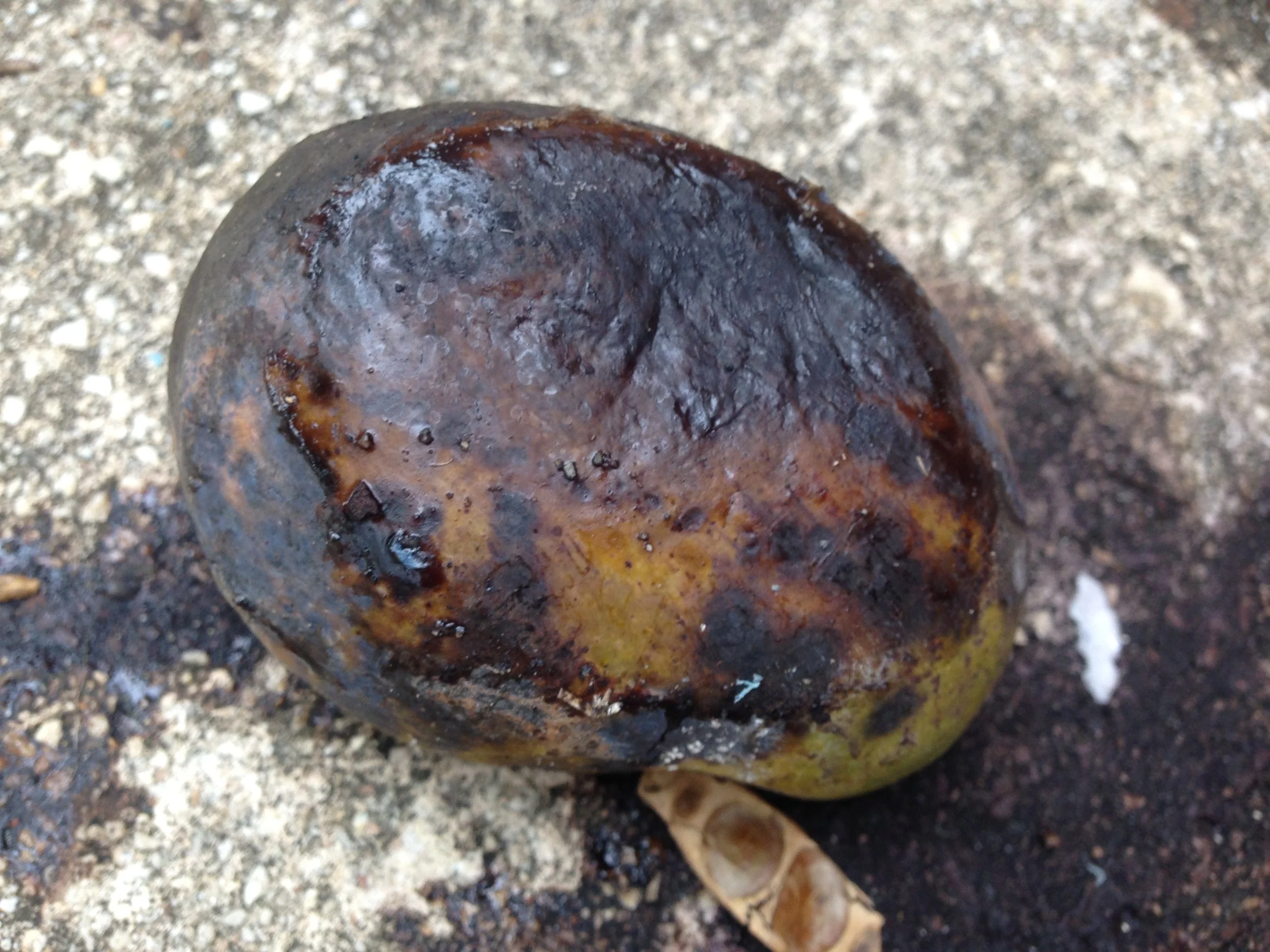
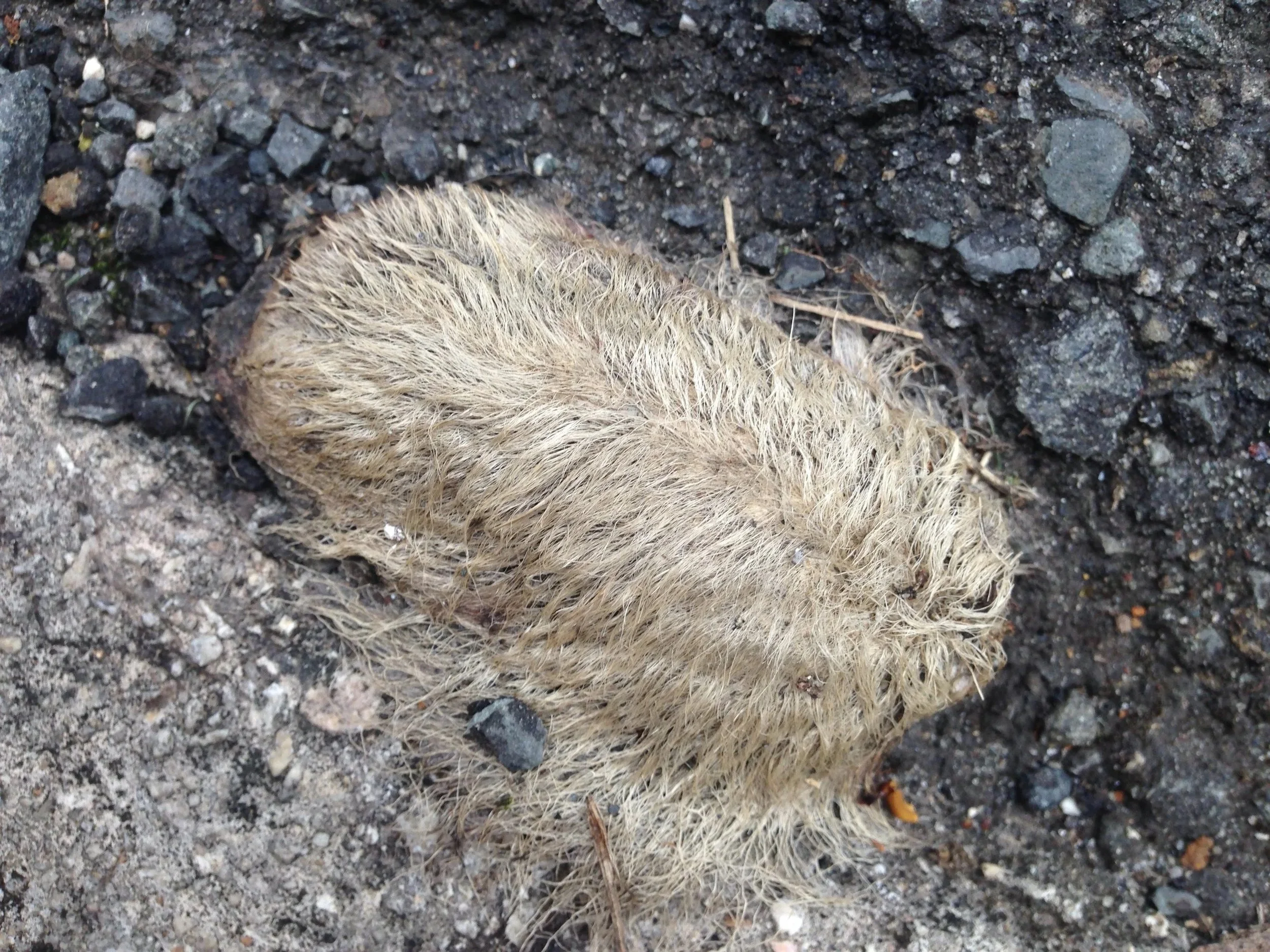
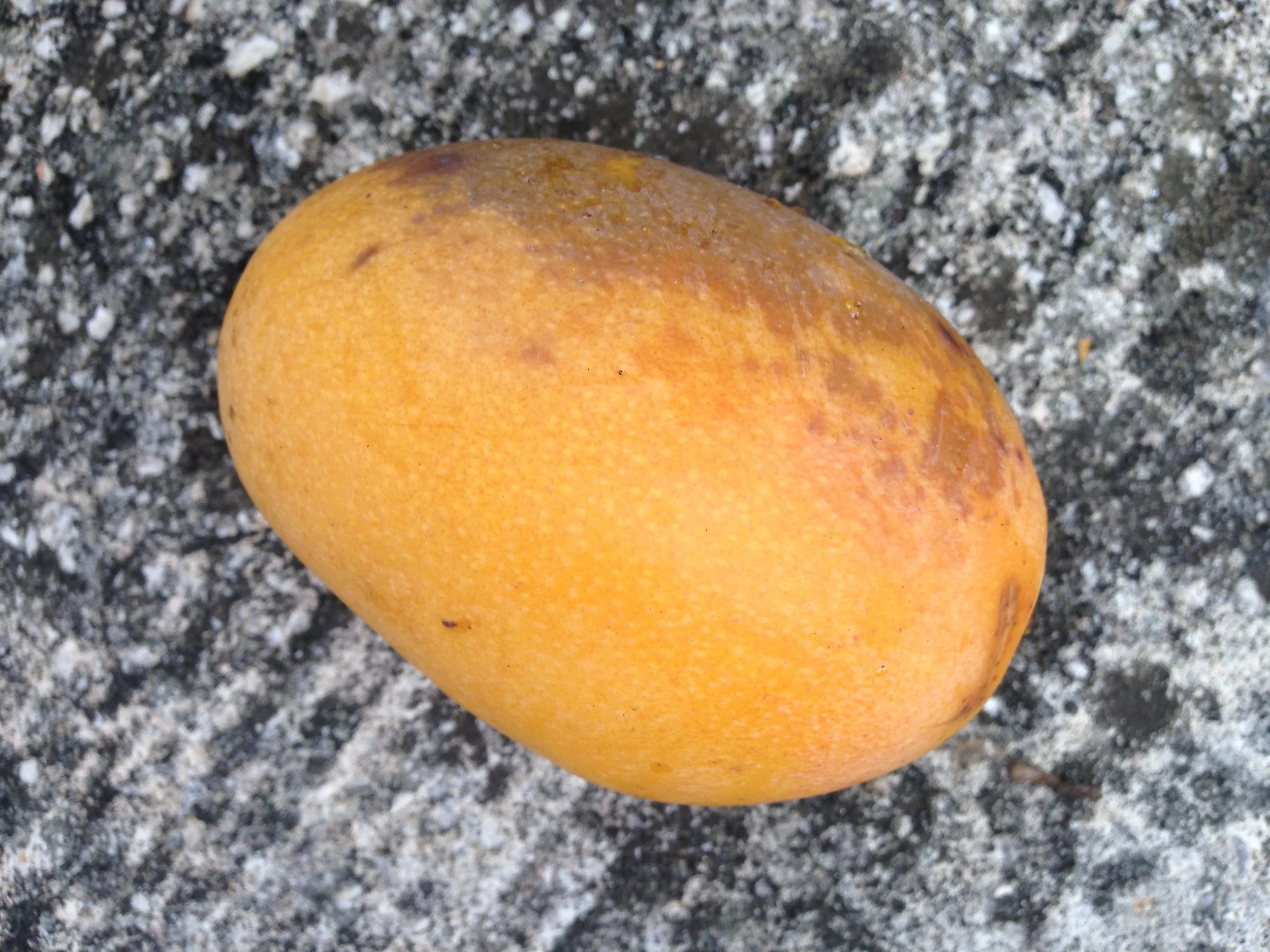
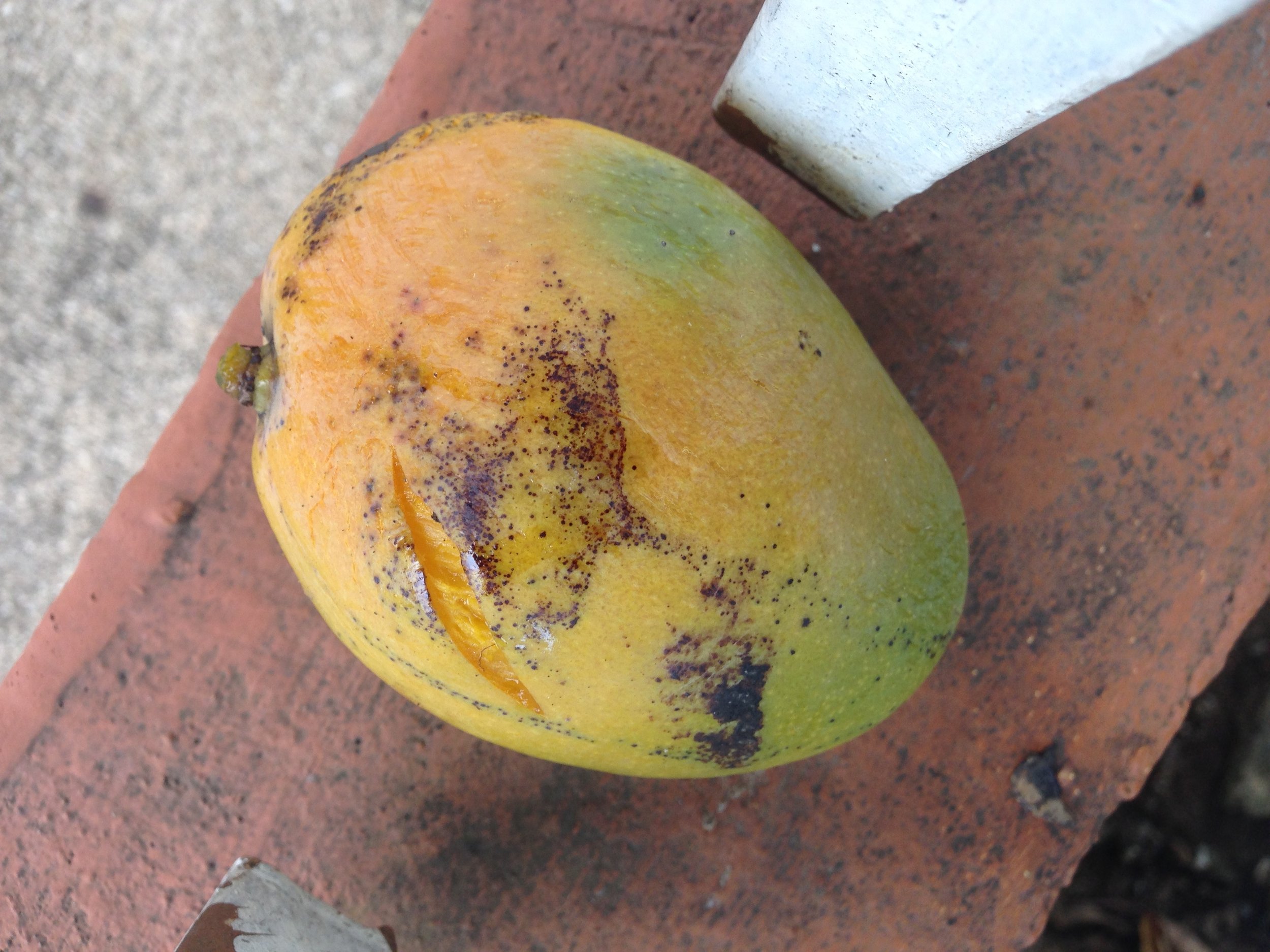
The pits still lay where I photographed them: enormous, colorfully rotting in the neighborhood where Maria lived, and Monchi with his silent gap-toothed grin.
Later Maria gathered mangoes from the yard, two or three each day, leaving them to soften on the pale yellow kitchen counter.
Her tree came down in Hurricane Maria.
A lot came down after that.
I don't blame Rauli if he buried grief in the music.
Maybe he didn't owe me anything.
Maybe I owe him.
Maybe we all owe them all.
I don't know how to sort out colonialism inside love and love inside colonialism.
Somewhere in that knot live my injuries around sexism, my hunger to be cherished, my exhaustion from holding everything up.
The stretched heart grows strange. Malleable. Overused. Like an old pair of stretch pants.
Like the ones I'm wearing now. Though I dress much better these days.
Sexier, even.
Puerto Rican women's beauty still puts me to shame.
And yet he could calm me.
This oversized heart, swimming in an ocean of unformed grief.
He would hold me and shake my torso the way one bounces a baby, murmuring oye oye, vente.
The iron gate of anger.
The iron gate of terror.
The iron gate of loneliness.
For a moment, he could dissolve these in me.
He shook the tears out of me in my most rigid moments. He unlocked the pit of my heart and freed its defenses. Not because he was free of grief.
Because he wasn't.
Because somehow the music got larger than the wound.
Because somehow the heart did.
Because somehow, despite everything, the heart of the island still does.
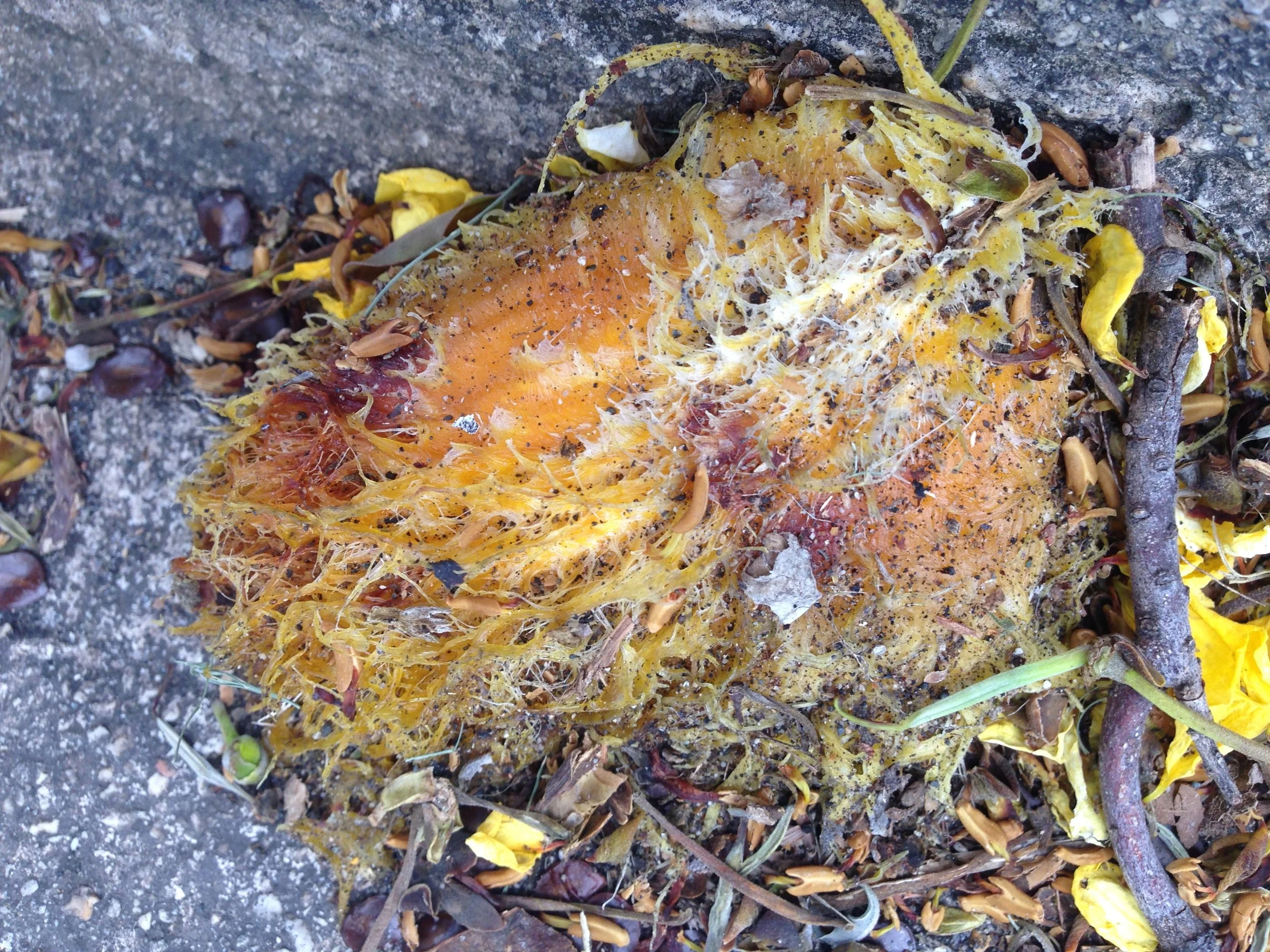
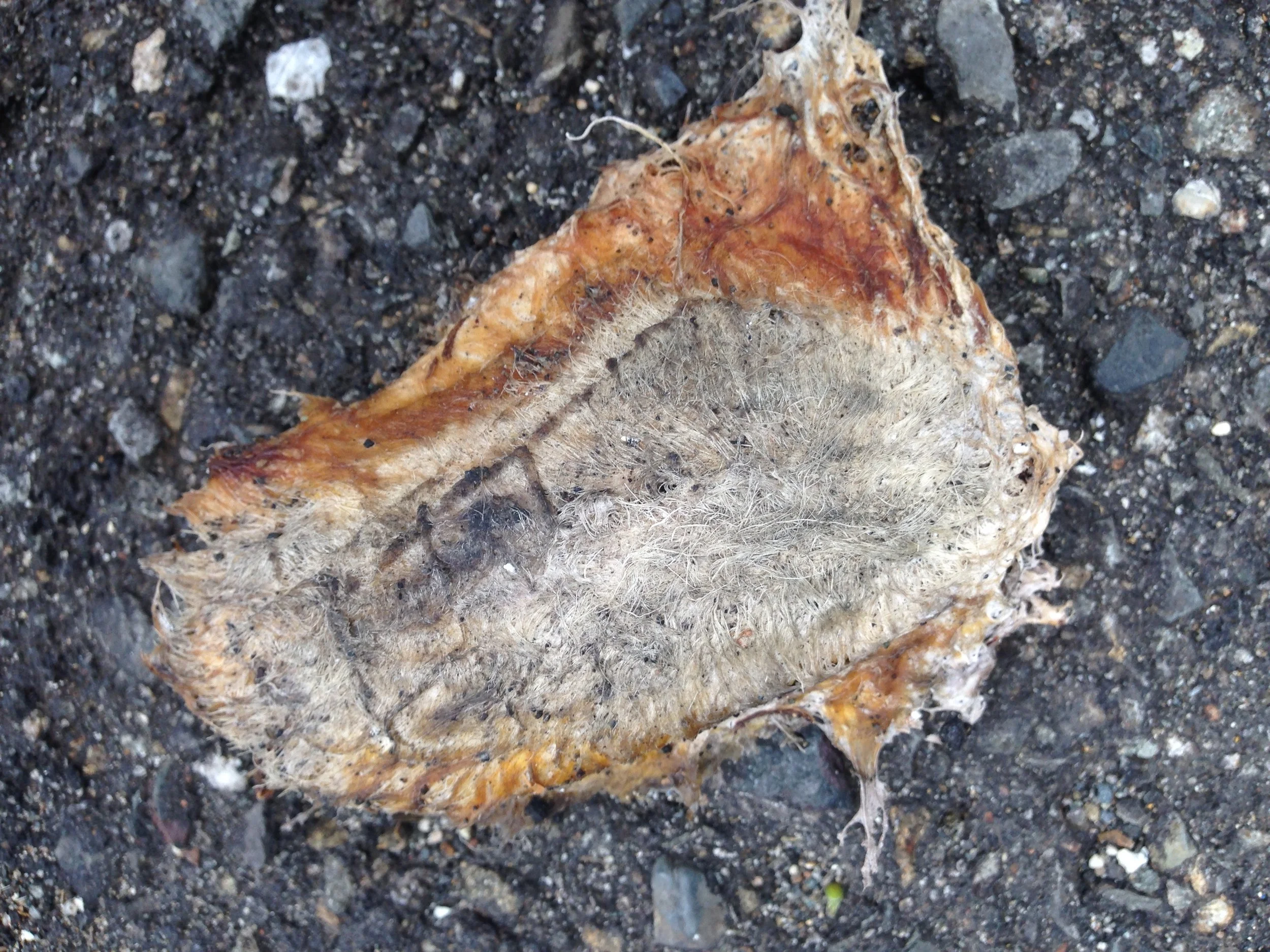
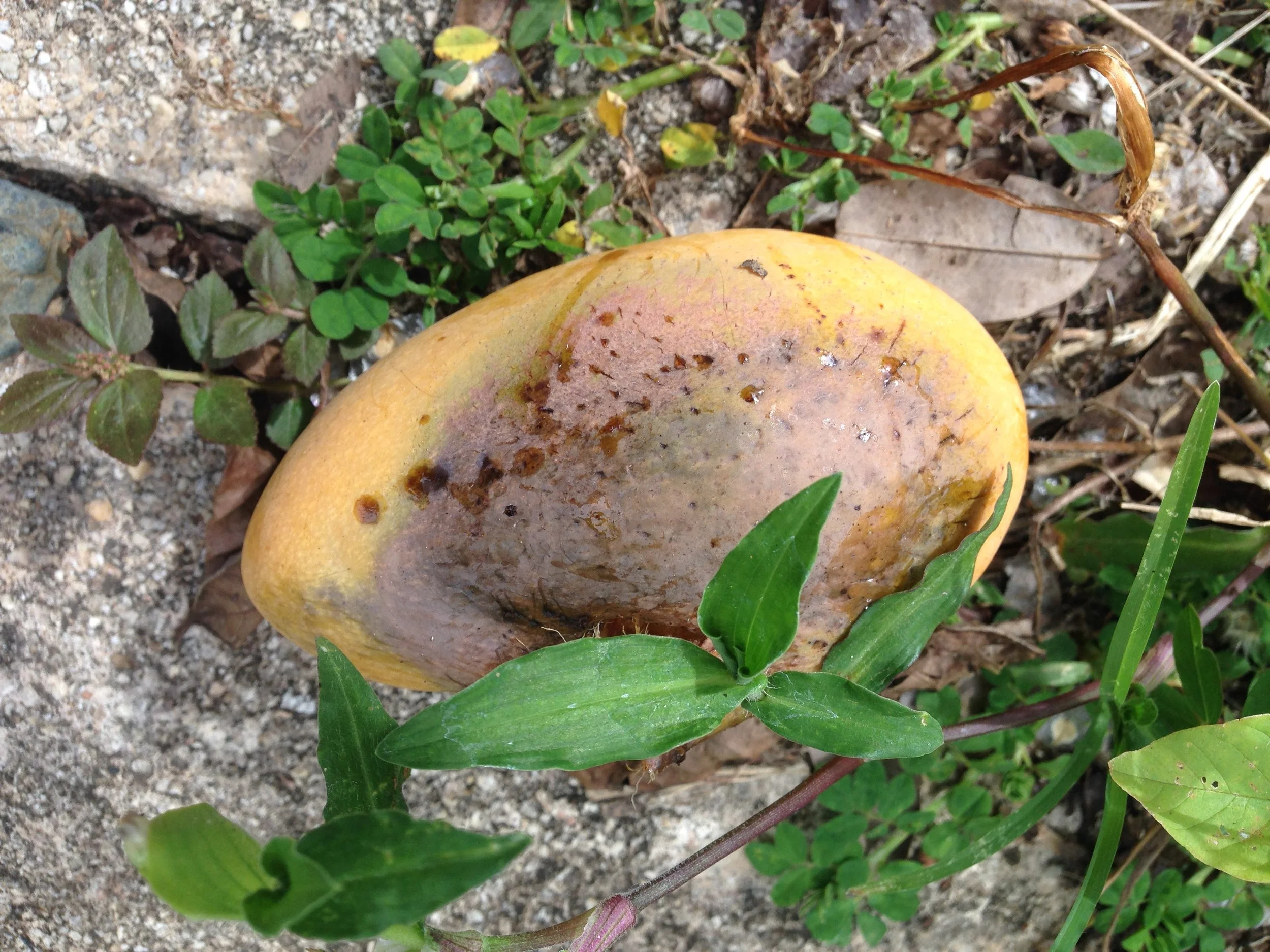
Huesos de Mango en Boricua
Resulta que los mangos no son originarios de Puerto Rico.
Los colonizadores españoles los trajeron alrededor de 1750, junto con el idioma español, enfermedades y el colonialismo. Los taínos están técnicamente extintos, aunque genéticamente aún se encuentran en personas puertorriqueñas.
Siento un cariño especial por estos huesos de mango porque Raulí me acababa de descubrir.
Me encendió un cigarrillo en un bar llamado El Boricua.
A la mañana siguiente me levanté con el sol y me prohibió caminar sola por la Calle 11.
Los hoyos seguían donde los fotografié: enormes, pudriéndose de colores en el barrio donde vivía María, y Monchi con su silenciosa sonrisa desdentada.
Más tarde, María recogía mangos del jardín, dos o tres cada día, dejándolos ablandar sobre la encimera amarilla pálida de la cocina.
Su árbol se cayó con el huracán María.
Muchas cosas se cayeron después.
No culpo a Rauli si enterró su dolor en la música.
Quizás no me debía nada.
Quizás yo le debo algo.
Quizás todos les debemos algo a todos.
No sé cómo separar el colonialismo del amor y el amor del colonialismo.
En algún lugar de ese nudo viven mis heridas por el sexismo, mi anhelo de ser amada, mi agotamiento de sostenerlo todo.
El corazón estirado se vuelve extraño. Maleable. Sobreutilizado. Como un viejo par de pantalones elásticos.
Como los que llevo puestos ahora.
Aunque me visto mucho mejor últimamente.
Incluso más sexy.
La belleza de las puertorriqueñas todavía me avergüenza.
Y sin embargo, él podía calmarme.
Este corazón descomunal, nadando en un océano de dolor informe.
Me abrazaba y me mecía el torso como se mece a un bebé, murmurando "oye oye, vente".
La puerta de hierro de la ira.
La puerta de hierro del terror.
La puerta de hierro de la soledad.
Por un instante, podía disolverlas.
Me sacudía las lágrimas en mis momentos más rígidos. Abrió el abismo de mi corazón y liberó sus defensas. No porque estuviera libre de dolor.
Porque no lo estaba.
Porque de alguna manera la música se hizo más grande que la herida.
Porque de alguna manera el corazón lo hizo.
Porque, de alguna manera, a pesar de todo, el corazón de la isla todavía lo hace.
How The US Stole Puerto Rico by award-winning NYT journalist, Johnny Harris The most accurate portrayal of the decades-long, U.S. psychological warfare on Puerto Ricans called The Carpetas, which concluded in the only time in US history when the U.S. bombed its own citizens.
Puerto Rico’s Deadly Drug Addiction by Unreported World A 2026 story about mounting concerns that President Trump’s war on drugs in the Caribbean could be having unintended consequences.
Searching for Answers by Michigan Online Exposing the abusive non-response of America to its own citizens following Hurricane Maria
We Went to Puerto Rico: The Inequality We Saw Will Shock You by More Perfect Union A detailed investigation of how unjust tax policy drives mass suffering and the staggering 43% Puerto Rican unemployment rate